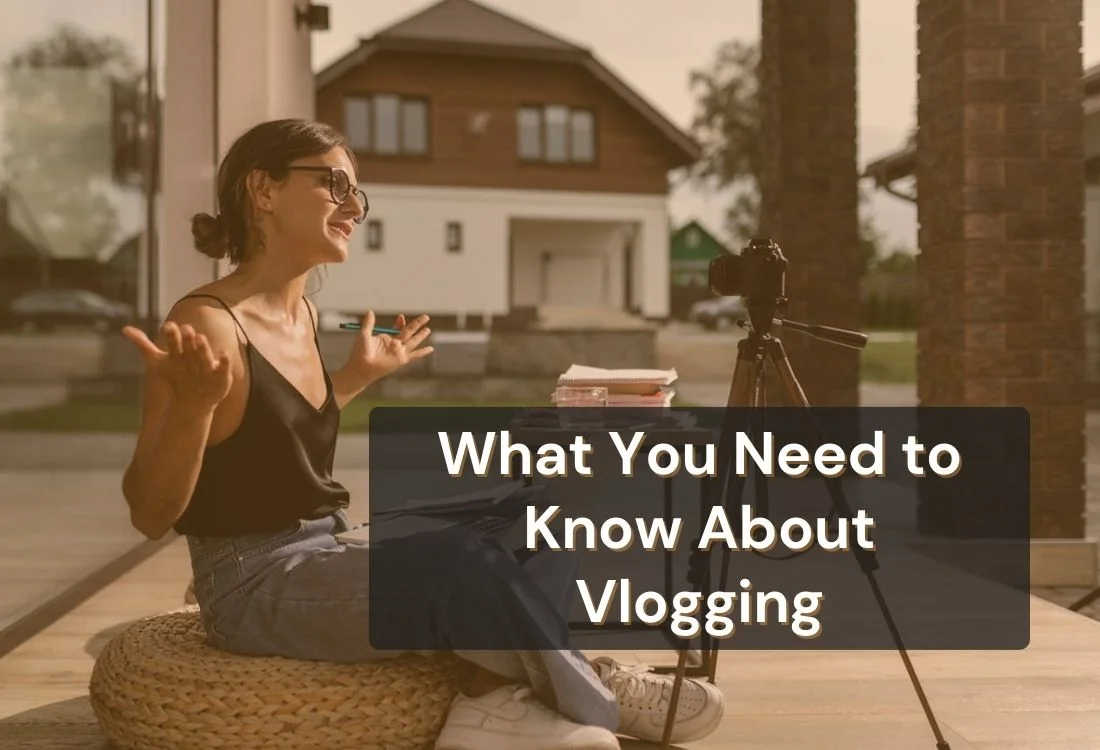


A vlog is a video blog: a short, personal video where a creator speaks directly to the camera to share stories, ideas, or expertise. If you have ever watched someone document their day, explain a recipe, or review a product on YouTube, you have watched a vlog.
Vlogging is still one of the easiest ways to start creating video content. YouTube’s 2025 Europe Impact Report, the platform has paid $100 billion to creators, artists, and media companies over the last four years, highlighting how significant creator-led video has become.
In this guide, you’ll learn what a vlog is, how it compares with a blog, the main types of vlogs, and how to start your own with simple equipment and a clear idea.
Vlogging is the practice of creating and publishing video content in which the creator speaks on camera to share experiences, opinions, or knowledge. The word comes from combining 'video' and 'blog.' A vlogger is the person behind the camera.
Key traits of a vlog:
Vlog content spans almost every niche imaginable: travel adventures, lifestyle diaries, cooking tutorials, fitness journeys, tech reviews, and personal finance. That variety is exactly what makes the format so beginner-friendly. There is no fixed length, no prescribed set, and no required budget to get started.
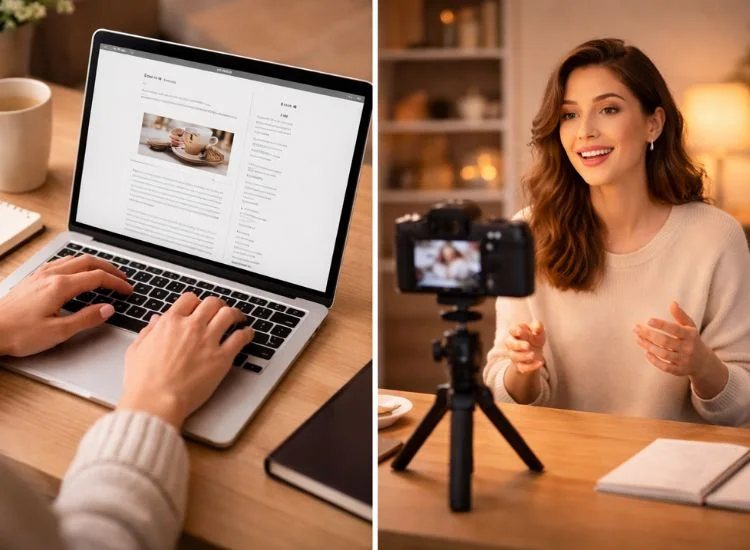
Both formats are built to share ideas and grow an audience, but they do it differently. A blog relies on writing and text-based SEO. A vlog relies on video, personality, and visual storytelling. Neither is better overall, the right choice depends on your strengths and your audience's preferences.
Many creators today do both. A travel blogger might write detailed destination guides while publishing a companion vlog on YouTube. The two formats complement each other well and can share audiences across channels. For a deeper breakdown of when to choose one over the other, see the guide on blog vs. vlog.
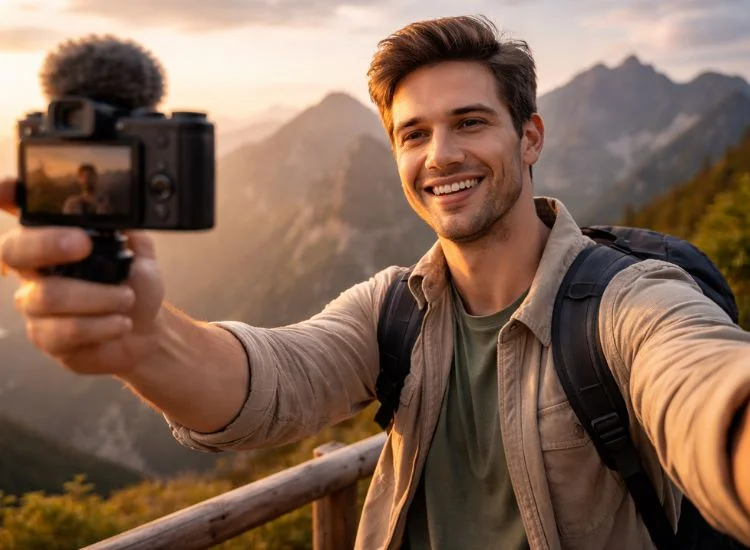
Vlogs are not one-size-fits-all. Different vlog styles attract different audiences and require different storytelling approaches. Understanding the most popular types of vlogs can help you choose a format that fits your niche, filming style, and long-term content goals.
Daily vlogs document a creator's everyday routines and experiences. They feel intimate and authentic, and viewers return the way they would check in with a friend. Consistency matters more than high production quality here.
Travel vlogs place viewers inside destination experiences through footage, local culture, and first-hand storytelling. Strong travel vlogs go beyond showing pretty places: they give practical value through itinerary ideas, budget tips, or lesser-known spots worth visiting.
The appetite for travel content on video platforms is measurable. TikTok's own research recorded a 410% increase in travel content views between January 2021 and January 2023, and more than 70% of TikTok's European audience say they are likely to book a holiday based on content they discovered on the platform. That is the pull a well-made travel vlog can have on a viewer's real-world decisions. (Source: National Geographic, 2024)
For tips on getting started, see the guide on how to start a travel vlog.
Educational vlogs teach viewers a specific skill or explain a complex topic, from cooking and DIY to personal finance. They rank well on YouTube search because they directly answer questions. Pairing clear instructions with engaging on-camera delivery is what separates the best tutorial vloggers from the rest.
Review vlogs cover products, services, or experiences. Tech gadgets, beauty products, restaurants, apps, and courses all work well. Transparency is the key asset here: honest feedback builds the trust that keeps viewers coming back and clicking affiliate links.
Lifestyle vlogs blend personal routines with themes like fitness, fashion, wellness, or productivity. They often feel aspirational while staying relatable. A popular example is the study vlog, where creators document study sessions, note-taking routines, or exam preparation while helping viewers stay motivated and focused.
Cinematic vlogs use advanced filming and editing techniques to create a polished, film-like viewing experience. They often include voiceovers, original music, and intentional composition. This format is ideal for creators who want to differentiate on production value.
Beyond the broad categories, some creators thrive in ultra-specific niches: gaming, personal finance, parenting, book reviews, sustainable living, or van life. Niche audiences are smaller but more loyal and engaged, making them attractive to brand partners. For ideas on what to create in your niche, see vlog ideas for beginners.
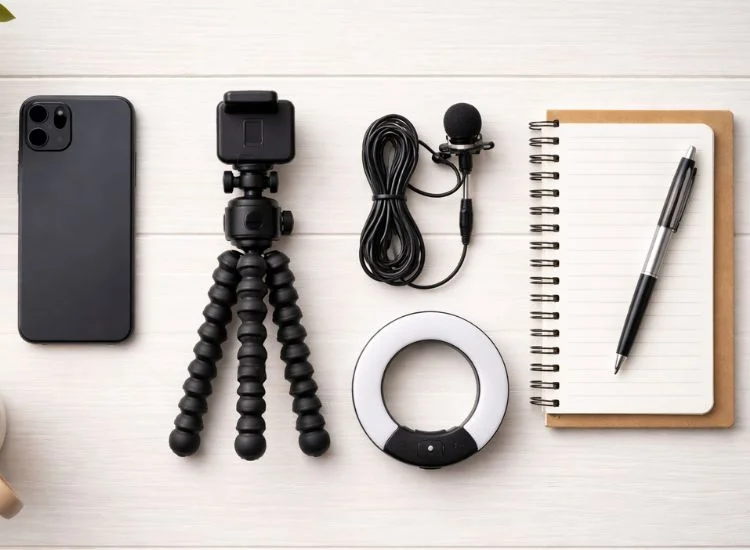
Starting a vlog does not require a studio or expensive gear. Most successful vloggers started with a smartphone and one clear idea. Here is a straightforward process to go from zero to your first published video.
The biggest mistake new vloggers make is waiting until they feel 'ready.' You will not feel ready. The creators who grow fastest are the ones who publish early, learn from each video, and improve in public. Here are the tips that matter most at the start:
For a complete breakdown with examples, see the full guide on vlogging tips.
Vlogging rewards creators on multiple levels simultaneously. It builds community, creates income opportunities, and develops real professional skills. Here is a closer look at what consistent vlogging can open up for you.
When you speak to a camera, you start a real-time conversation. Viewers respond in comments, share your videos, and come back for your next upload. That dialogue, built over many videos, grows into a loyal community around your story, not just your content.
Vlog-style teaching is uniquely effective because viewers can see what you mean. A step-by-step tutorial vlog makes instructions tangible. A personal journey vlog shows a viewer that a goal they have is achievable. Clear structure plus honest delivery turns your content into something people return to.
Monetization grows with your audience and typically involves a mix of income streams. Ads and brand sponsorships are common starting points. Beyond those, many vloggers earn through affiliate links, digital products, memberships, or merchandise. The creator economy is projected to reach $528 billion globally by 2030, growing at 22.5% annually. Vlogging is one of the primary entry points into that economy.
A vlog channel acts like a living portfolio. It shows how you communicate, teach, and build an audience — skills that translate into speaking engagements, brand partnerships, consulting roles, and full-time creator work. For the full picture, see the guide on benefits of vlogging.

Vlogging can generate real income, but the strategy has shifted. Relying on ad revenue alone is no longer a reliable approach. The creators earning consistently in 2026 combine three or more income streams.
Great content will not perform if no one can find it. Optimizing your vlogs for search is what turns a good video into a consistently discoverable one. These strategies apply to both YouTube search and Google video results.
For a step-by-step breakdown of video SEO, see the complete guide on video marketing strategies and the list of video blogging platforms where your content can earn additional reach.
Yes. Vlogging is still worth starting in 2026, but growth now depends on focus, not luck. Broad lifestyle content is harder to grow than it was a few years ago. Niche vlogs with a clear audience and consistent format have a better chance of building traction.
The audience is still there. YouTube says viewers watch over a billion hours of video each day, and YouTube Shorts now averages more than 200 billion daily views. At the same time, more than 20 million videos are uploaded to YouTube every day, which means creators need a sharper angle to stand out.
Video demand is also strong beyond YouTube. DataReportal reports that 92% of working-age internet users watched online video in the past week, showing that video remains a major part of how people learn and spend time online.
The takeaway is simple: The opportunity is still real. The difference is that specificity wins. If you know your niche, speak to a specific viewer, and publish consistently, starting a vlog in 2026 is still a smart move.
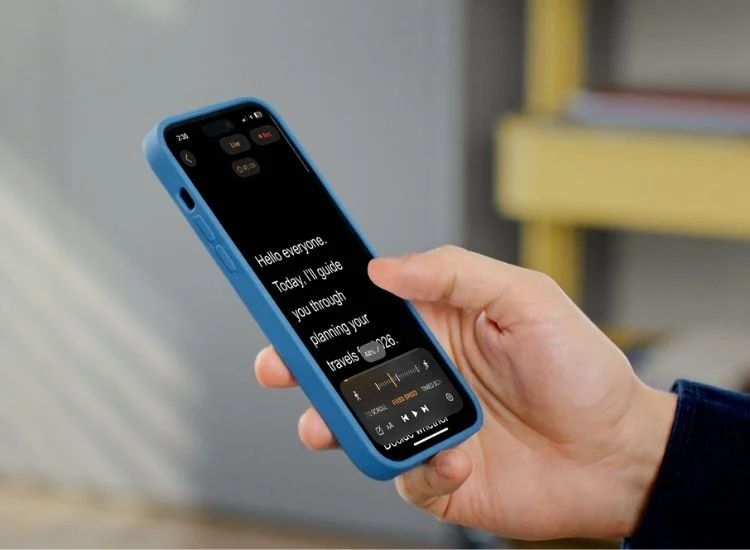
One of the most common struggles new vloggers face is sounding natural on camera while staying on message. Losing your train of thought mid-sentence leads to extra retakes, uneven pacing, and frustrating editing sessions.
Teleprompter.com solves this by letting you read your script on screen while keeping your eyes close to the lens. Your delivery looks direct and natural to the viewer, while you stay confidently on track behind the camera.
Want to sound more natural on camera? See how a teleprompter helps.
A vlog is a video blog where a creator shares stories, skills, or opinions directly on camera. It is one of the most flexible, accessible, and rewarding formats in online content. From daily diaries and travel adventures to tutorials and niche expertise, vlogging gives creators a direct line to their audience.
With consistency, a clear niche, and a willingness to improve on camera, you can turn a simple video into meaningful content that builds a community, supports a career, and generates real income. The gear matters less than most people think. Getting started matters more.
Start your first vlog today — read your script confidently with Teleprompter.com.
A vlog is a short video where a creator speaks directly to the camera to share an experience, teach something, or express an opinion. It is the video version of a written blog post.
A vlogger is the person who creates and publishes video blogs. Unlike traditional bloggers who write, vloggers communicate through video, often showing their lifestyle, opinions, or tutorials directly on camera.
You can start with just your smartphone. As you grow, consider adding a budget external microphone (the single biggest audio upgrade), a small tripod, a ring light, and a teleprompter app for smoother delivery. See the full vlogging kit guide for recommendations at every budget level.
For YouTube, most successful vlogs run between 6 and 15 minutes. For TikTok or Instagram Reels, under 60 seconds is the sweet spot. YouTube Shorts work best at 30-60 seconds. Match the length to the platform and to the content — a tutorial might need 10 minutes; a day-in-my-life clip might only need 4.
Yes. Vloggers earn through ads, brand sponsorships, affiliate marketing, merchandise, digital products, memberships (Patreon), and platform payout programs on TikTok and YouTube Shorts. Most successful vloggers combine three or more of these streams.
A good vlog has a clear hook in the first 10 seconds, a focused topic, good audio, and an authentic on-camera presence. Production quality matters less than consistency and clarity. Viewers stay for the person, not the camera.
Absolutely. With the rise of short-form content and evolving monetization options, vlogging continues to offer creative and financial opportunities for new creators.
All vlogs are YouTube videos, but not all YouTube videos are vlogs. A vlog is a specific style of video where the creator speaks personally and directly to the camera. A YouTube video might be a music video, a brand ad, or a scripted film — none of those are vlogs.


.png)


.png)


